
Team Fundraising Tips: How to Raise More Money Without Burning Out Your Team
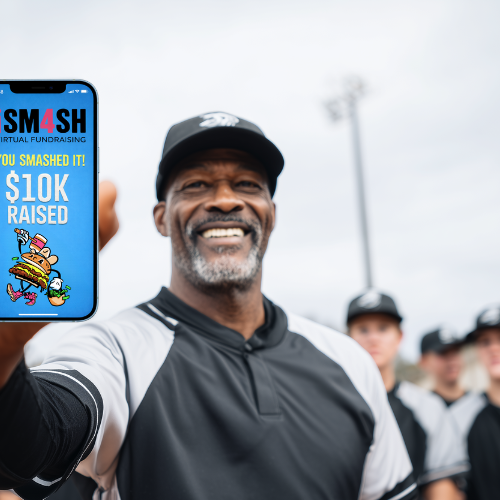
Fundraising should energize your team — not exhaust them.
Yet too many teams are stuck selling the same low-margin products year after year, relying on volume instead of strategy. The result? Seller fatigue. Parent frustration. Modest returns.
If you want to raise more money in less time — and actually feel good about it — here are proven team fundraising tips that work.
1. Choose High-Value Products Over High Volume
One of the biggest mistakes teams make is focusing on how many items they can sell instead of how much each sale earns.
Selling $10 items requires enormous volume to hit meaningful goals.
Selling premium, high-demand products allows you to:
-
Earn more per transaction
-
Reach your goal faster
-
Reduce seller burnout
-
Ask fewer people for support
The math is simple. Higher-value products mean bigger earnings with fewer sales.
2. Make It Easy for Supporters to Say Yes
Today’s supporters don’t want to buy something out of obligation. They want:
-
Products they’ll actually use
-
Quality they can feel good about
-
Brands that align with their values
When your fundraiser features premium, purpose-driven products from small businesses, supporters feel like they’re contributing to something bigger.
It becomes a win for your team and a win for the community.
3. Keep the Campaign Short and Focused
Long fundraisers lose momentum.
The most successful team fundraising campaigns are:
-
3 to 5 days long
-
High energy
-
Structured with daily reminders
Short campaigns create urgency. Urgency drives action.
Instead of dragging on for weeks, a focused sprint keeps families engaged and excited.
4. Equip Families Before Launch Day
Preparation drives performance.
One week before your campaign begins, ask families to:
-
Make a list of 20–30 potential supporters
-
Gather emails and phone numbers
-
Set a personal fundraising goal
When launch day hits, they’re ready to go — not scrambling.
Teams that prepare raise significantly more.
5. Lead With Energy
Coaches set the tone.
Send quick check-ins during the campaign:
-
Celebrate milestones
-
Share progress updates
-
Encourage one more share
Even a short, enthusiastic message can boost participation dramatically.
Fundraising success is contagious. When leaders show belief, families respond.
6. Tell People What They’re Supporting
Specific goals convert better than vague ones.
Instead of “Help our team,” say:
-
Help send our team to nationals
-
Help fund new equipment
-
Help cover tournament travel
Clarity increases connection — and connection increases giving.
7. Choose a Platform That Removes Friction
Modern fundraising should be:
-
100% virtual
-
No inventory
-
No deliveries
-
No door-to-door
When logistics are handled for you, your team can focus on sharing — not managing product distribution.
Less friction = more participation.
8. Create a Win-Win-Win
The best fundraising models today benefit everyone involved:
-
Teams earn strong returns
-
Supporters receive quality products
-
Small businesses gain visibility
When fundraising feels purposeful instead of transactional, people lean in.
That’s how you build long-term support — not just one-time sales.